Alternative Approaches to Addiction Treatment in Texas
@raymondways361
October 21, 2026 · 16 min read
Recovery is rarely a straight line, and in a state as large and varied as Texas, one-size-fits-all care fails. A holistic approach meets individuals where they are, mixes medical and psychological care with practical life supports, and accounts for culture, family members, and community. For many years, dealing with clients from San Antonio to the Panhandle, I have actually learned that one of the most sustainable gains come when treatment sees the entire person, not only the diagnosis.
Why an alternative lens makes good sense for Texas
Texas includes plethoras. Military neighborhoods rest alongside university communities, oilfield camps, and country regions that can take hours to go across. A young solution participant posted near Joint Base San Antonio encounters a different collection of stressors than a rancher in capital Nation or a tech employee in Austin. Work timetables vary extremely, from shift work to lengthy stints far from home. Confidence and family commonly play main roles. These facts need to form addiction treatment.
The state's geography adds one more layer. People in metropolitan cores can access a range of solutions, yet several still struggle with waitlists or slim insurance policy networks. In the boundary region and West Texas, behavior wellness provider scarcities make range a barrier. Telehealth assists, but not every house has secure broadband. Programs that do well in Texas normally weave together in-person treatment, virtual alternatives, and area sources so support does not vanish the minute a person leaves a clinic.
Holistic treatment is not a high-end add-on. It is a sensible method to resolve the root vehicle drivers of substance usage while constructing sturdy abilities and supports. It identifies that sobriety without purpose, link, or psychological stability rarely holds.
What "alternative" truly indicates in practice
Holistic does not imply unscientific or anti-medication. The clinical foundation remains vital, particularly throughout withdrawal or for those with co-occurring problems. The wider structure asks: What else does this individual need to stabilize and grow? Treatment plans then fold in evidence-based therapy, family members characteristics, sleep and nutrition, stress regulation, peer neighborhood, spiritual or cultural anchors, and concrete problem-solving around job, childcare, transportation, and housing.
I frequently explain all natural care as constructing a latticework. Medication and therapy form the primary structure. Family, neighborhood, meaningful activity, and health and wellness habits are the crossbeams. No solitary light beam lugs the full lots, yet together they develop strength and flexibility.
The clinical backbone: detox, stabilization, and medications
Acute withdrawal monitoring can be lifesaving. In Texas, medical detox is readily available throughout healthcare facility setups, committed detox units, and some household programs. The option relies on substances included, medical history, and safety and security in your home. Alcohol and benzodiazepine withdrawal require close monitoring because of seizure threat. Opioid withdrawal is hardly ever dangerous but can be brutal without support.
Medication for Addiction Treatment, usually called floor covering or MOUD for opioid usage condition, is main to lots of holistic strategies. Buprenorphine and methadone decrease yearnings and support brain chemistry. Extended-release naltrexone can assist in the right context. For alcohol usage problem, naltrexone, acamprosate, and disulfiram each have a duty. The decision is individualized. I have clients that needed everyday methadone for framework and others who did finest with buprenorphine suggested via a San Antonio center that worked with telehealth follow-ups to work around army responsibility hours.
A cautionary note: gain access to varies. In some rural regions, there may be no methadone clinic within a reasonable drive. Telehealth recommending expanded accessibility to buprenorphine throughout the pandemic, and lots of Texas companies have actually kept online workflows, yet in-person check outs might still be needed periodically. The best programs resolve for these logistics early as opposed to allowing them hinder progress.
Psychotherapy that goes much deeper than "just claim no"
Therapy gives the devices to recognize triggers, tolerate discomfort, and modification patterns. Cognitive Behavioral Therapy aids customers notice assumed loops that drive use. Dialectical Behavior Therapy adds abilities for feeling law and distress resistance, indispensable for those who feel pirated by advises. Motivational Interviewing respects uncertainty and builds internal factors to transform. Trauma-informed treatment, not as a motto yet as a professional position, stays clear of reenacting powerlessness or shame.
One client, a registered nurse in San Antonio, consumed alcohol to puncture shift-change stress and anxiety and numb the consequences of disorderly evenings in the emergency department. For her, CBT was valuable, but progression increased when a specialist introduced EMDR to refine details cases that her mind maintained repeating. She did not need abstract conversations concerning coping. She needed to submit those memories into the past so they would certainly not flood the present.
Group therapy adds a peer mirror. People hear their tales in others' words and begin to really feel less faulty. The appropriate group issues. Veterans frequently benefit from friends that comprehend army culture and language. Young adults engage better when content is useful and not condescending. In Texas, with its solid confidence neighborhoods, several clients welcome emotionally integrated groups. That said, inclusivity and authorization matter. Spiritual care must be offered, not imposed.
Family systems and the ripple effect
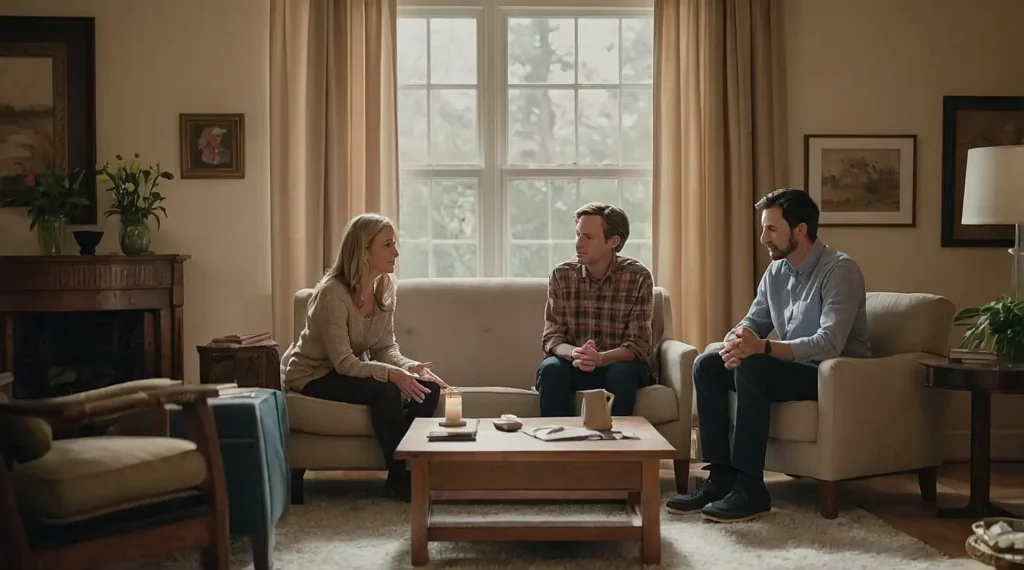
Addiction reorganizes household functions. Someone ends up being the fixer, an additional the avoider, somebody else the scapegoat. A holistic strategy welcomes member of the family right into the process to learn borders, interaction, and https://messiahgvee896.rivetgarden.com/posts/san-antonio-addiction-treatment-exactly-how-to-preserve-inspiration-in-healing self-care. This is not concerning joining forces against the recognized person. It is about shifting patterns so recovery does not collapse under the weight of old dynamics.
In Bexar County, I usually see multigenerational households where grandparents play a key role in childcare. If a moms and dad is in very early recuperation, practical assistance with institution pickups or bedtime regimens can be the difference in between attending a night IOP session and avoiding it. Family meetings, also quick ones, can detail that covers which responsibilities throughout the first ninety days. Quality gets rid of rubbing and reduces the possibility that stress becomes the reason to use.
Cultural humility: Spanish-language access, belief, and identity
Holistic treatment in Texas appreciates language and culture. Spanish-language solutions continue to be unequal throughout the state. In San Antonio and the Rio Grande Valley, you can find multilingual specialists and peer groups more readily than in some country corridors. Programs that just translate pamphlets yet can not provide therapy in a customer's primary language will miss subtlety, especially around pity, household assumptions, and spirituality.
Faith-based programs can be a lifeline. They provide area, framework, and worths positioning. The ethical line is to keep clinical honesty and respect client freedom. A Catholic customer could request rites. A nonreligious client may find definition in service jobs or nature. A queer client must not have to trade security for sobriety. All natural methods choices without coercion.

Body-based and way of living foundations
The nerves beings in the body, not just the mind. Recuperation stabilizes faster when sleep, nourishment, activity, and breath job support it. This is much less concerning best diet plans and more regarding constant routines.
In early recuperation, I coach 3 supports: regular rest windows, healthy protein and complicated carbohydrates at normal dishes, and quick movement most days. Rest protects the prefrontal cortex's capability to consider choices. Protein blunts sugar spikes that can simulate or intensify cravings. Motion resets tension chemistry. For some customers, yoga or tai chi builds interoception, the ability to see what is taking place within. Others choose vigorous strolls while paying attention to recovery podcasts. On hot Texas afternoons, a shaded twenty-minute loop can be the difference in between restlessness and relief.
Holistic programs hardly ever discuss meditation as a cure-all, which is the appropriate technique. Mindfulness shows strong outcomes for craving administration, however only when it is taught in absorbable actions. Five mins a day of breath-focused focus is a decent start. Many individuals do better with led audio originally. The factor is to discover the ability of pausing before acting.
Peer support and area fabric
Twelve-step conferences, SMART Healing, Sanctuary Recovery, and nonreligious groups all provide area. In cities, you can sample layouts till one fits. In small towns, you may locate just a couple of regular meetings. When I collaborate with clients in country Texas, we boost minimal local alternatives with on-line conferences and a phone-based pal system. Some programs in San Antonio set new graduates with alumni coaches that still reside in the area, developing liability that lasts.
Recovery housing can provide a crucial bridge. Quality differs. Residences with peer-led framework, time limits, and routine drug testing aid lots of people settle gains during the very first six to twelve months. Houses that are chaotic or unscrupulous can do harm. It is worth visiting, talking with current citizens, and checking whether the home is associated with an acknowledged network.
Special populaces: veterans, teenagers, expectant individuals, and the justice-involved
Texas has among the biggest expert populaces in the country. Addiction treatment in San Antonio frequently intersects with army culture. Injury exposure, ethical injury, and post-deployment adjustment require medical professionals that understand chain-of-command truths and confidentiality boundaries. Some veterans fear that looking for help will influence their careers. Programs that clarify what is on or off the document, which coordinate with VA services when appropriate, eliminate obstacles.
Adolescents need developmentally tuned treatment. Lectures on repercussions seldom function. Family therapy, school control, and activities that do not feel like punishment make a difference. For a teen in capital Country whose social life revolved around weekend parties, we constructed a Friday evening regimen with a sports league, pizza, and a short check-in telephone call with an advisor. It was not extravagant, yet the pattern stuck.
Pregnant customers face layers of judgment that commonly postpone care. Evidence supports MAT in pregnancy for opioid use problem, with obstetric collaboration and neonatal planning. All natural programs coordinate prenatal treatment, nourishment, cigarette smoking cessation if suitable, and postpartum assistance. Shaming does not shield infants. Integrated treatment does.
Justice-involved customers often straddle demands from courts or probation. A holistic strategy straightens medical objectives with legal ones. I have seen customers mess up development as a result of complication concerning reporting or anxiety of a favorable examination after making use of a prescribed medication. Getting everybody on the exact same page early - court, probation policeman, treatment team, and client - protects against preventable setbacks.
Addiction treatment in San Antonio: what the local environment offers
San Antonio's community includes military-focused services, multilingual clinicians, and a solid nonprofit backbone. Several programs collaborate with primary care clinics on the South Side and West Side to incorporate screening and short treatments. I have actually strolled clients down a corridor for a same-day cozy handoff from a family doctor to a behavioral health service provider. That immediacy matters.
Residential alternatives range from short-stay detoxification to longer programs that integrate therapy, physical fitness, and employment assistance. Intensive outpatient programs commonly run morning and night tracks to fit solution market routines. Since mass transit can be patchy, trustworthy ride-sharing coupons or van pick-ups are greater than hassle-free, they are equity measures.
Cultural events and belief areas shape recovery rhythms in San Antonio. For some, offering at a church food kitchen or signing up with a neighborhood association offers objective. Others find neighborhood in biking clubs on the Goal Get to or art classes downtown. An alternative strategy connects customers into the city, not just the clinic.
Rural and border realities
Outside metro locations, options weaken promptly. In much West Texas, a single therapist might offer numerous areas. The option is commonly a hub-and-spoke configuration: first stabilization in a regional facility, then teletherapy plus routine in-person sees. Peer support might imply driving an hour for an once a week group. Gas cards and flexible scheduling can make or break adherence.
On the boundary, cross-cultural competence is non-negotiable. Families may move between nations for job or caregiving. Paperwork condition affects comfort with looking for services. Programs that companion with community health workers and faith leaders see higher involvement. Spanish-language treatment needs to be detailed, not an afterthought.
Payment, insurance, and sensible navigation
Insurance insurance coverage stays a friction factor. Medicaid in Texas covers certain addiction treatments, but network restrictions or company accessibility can slow down access. Industrial insurance coverage commonly requires preauthorization for property keeps or restrictions on variety of sessions. An excellent program designates a benefits navigator who makes clear alternatives and makes phone calls with the customer. For those paying of pocket, clear prices and clear timeframes decrease anxiety.
If a person needs to select in between losing a job and getting in a thirty-day domestic program, holistic planning may favor intensive outpatient with solid medicine support and nighttime conferences. That choice is not a compromise of treatment; it is an approach to maintain real estate and revenue stable while building healing skills.

What to ask when examining a program
- How do you integrate medicines with treatment, and who manages application over time?
- Can you collaborate with my medical care medical professional, employer EAP, or probation police officer if I consent?
- Do you supply bilingual solutions or culturally details teams that fit my background?
- What assistance exists after discharge, including graduates teams or recovery real estate connections?
- How will you entail my family members or support network, and what borders will you assist us set?
Measuring progression without perfectionism
Outcomes in addiction treatment are not binary. Abstaining is one statistics, however not the just one. Reduced use, fewer hospitalizations, enhanced work stability, brought back partnerships, and much better mental wellness all matter. I ask customers to track sensible signals: rest top quality, number of days with solid cravings, participation at assistance tasks, missed obligations, and moments of pride. A single slip does not remove gains. The response to the slip is the information point that predicts lasting success.
We usage straightforward tools, occasionally as standard as a calendar with signs. Over 3 months you can identify patterns. A client who consumes after problems with a sibling requires a household session and a problem plan more than a lecture on willpower.
A sensible initial ninety days
- Stabilize the body: clinical assessment, laboratory job if indicated, floor covering when ideal, rest routine, and nourishment basics.
- Build the scaffold: therapy timetable, peer group, sponsor or coach, and two day-to-day recuperation touch points such as an early morning reading and an evening check-in.
- Solve logistics: transport, job notes or FMLA if required, childcare coverage, and device accessibility for telehealth.
- Involve the circle: one household or assistance meeting within the first 2 weeks to establish expectations and roles.
- Plan for triggers: a created, practiced technique for 3 high-risk scenarios, with telephone number and options scripted.
Case notes from the field
A 32-year-old paramedic in San Antonio got in treatment after a DWI. He insisted he might white-knuckle it. Rather than say, we structured a test: two weeks of daily check-ins, sleep targets, and 3 meetings per week. On day five, desires increased after a harsh shift. He consented to start naltrexone. By week three, he admitted that the medicine reduced the edge which the straightforward act of loading a protein-heavy lunch decreased his late-night bar quits. 6 months later on, he was educating new hires and leading a regular peer group for very first responders. His healing did not depend upon heroics, simply an internet of normal supports that held.
A 48-year-old mom in capital Nation fought with painkiller after back surgical procedure. Her other half concerned she was "replacing one medicine with one more" if she started buprenorphine. We sat together, assessed risks and benefits, and brought in her pain expert. She began a low dose, coupled with physical therapy and an once a week mindfulness course. The turning point came when they consented to lockbox storage for all regulated meds and set up a Saturday morning walk as a family members. The optics shifted from concern to shared purpose.
Addiction therapy Texas wide: straightening statewide resources with local wisdom
Across Texas, the best programs coordinate across systems. Health centers partner with injury reduction teams to disperse naloxone and link people from emergency rooms to same-day buprenorphine starts. Colleges installed short interventions in trainee health. Companies buy right into recovery-friendly plans that allow pause for therapy without profession fines. Counties purchase psychological health replacements and diversion programs so dilemmas do not automatically come to be felonies.
The goal is not to reproduce a single model anywhere. Austin's scene will certainly vary from Lubbock's. What brings throughout regions is the principle of integration. Medical professionals, peers, households, colleges, churches, and courts can either pull in different directions or line up around the person. All natural care selects alignment.
Balancing framework with autonomy
People frequently ask how much structure is enough. Too little, and old routines rush back in. Too much, and clients feel infantilized. The balance relies on history and current danger. A person with duplicated overdoses may need day-to-day observed application and tight organizing in the beginning. Someone with a single episode of hefty drinking after a divorce could succeed with regular treatment, medicine, and a peer group. We examine the signal: food cravings, function, safety, and involvement. If those are enhancing, we hold constant. If not, we call structure up.
Autonomy expands as skills expand. I have watched customers brighten when they recognize they can endure a challenging meeting at the office, choose a run, then call a buddy, and feel the urge to use pass on its own. That confidence, greater than any kind of particular technique, sustains recovery.
The duty of purpose
Sobriety spare time and energy. If that area remains vacant, regression risk climbs. Purpose can be household, craft, solution, art, faith, or job. In San Antonio, I have actually seen people rediscover mariachi, woodworking, trail maintenance, and neighborhood mentoring. Little commitments collect into identity. You start being a person that shows up. That identification seldom exists side-by-side with chaotic use for long.
Bringing it together
Holistic addiction treatment weaves medicine, treatment, functional logistics, culture, and area right into a systematic plan. It values the diversity of Texas, from San Antonio's multilingual communities to the open stretches of West Texas. It measures development in feature and significance in addition to in days sober. It asks households to get involved without shedding themselves. It offers medical professionals consent to work with treatment as opposed to run in silos.
If you are choosing treatment, search for programs that can adapt as your requirements alter. If you are a clinician, purchase collaborations, not just protocols. If you are a relative, look after yourself too. Recovery is not a single choice, it is a practice. In Texas, with its strong threads of strength and area, that technique has room to take root and grow.